
"coffee cultivation map"
400 article(s) found

Medium coffee robusta coffee
Medium-grain coffee (Hainan Flora) Coffea canephora Pierre ex Froehn. In Notizbl. Bot. Gart. Berlin 1: 237. 1897 et in Engl. Bot. Jahrb. 25: 269. 1898; A. Cheval. Op. Cit. 186; A. E. Haarer, op. Cit. 17; Flora of Hainan 3: 349, figure 765. 1974; Atlas of higher plants in China 4:
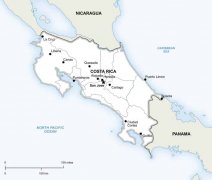
Flavor and taste characteristics of eight coffee growing areas in Costa Rica how to make good coffee beans in Monster Manor
All eight coffee growing areas in Costa Rica have ideal conditions for growing Arabica coffee trees. Most of the more than 50000 small farms are located in the mountains, enjoying volcanic soil, perfect climatic conditions and a long period of maturity. When buying Costa Rican coffee, please check the grower information on the label. Beans can come from several large producing areas on the map: Centra

The spread and Development of Coffee in China-where did Cafe first come from
The spread and development of coffee in China-where did the coffee shop first originate? in terms of natural conditions, many parts of China are very close to Latin America, South America, India, Indonesia and other places, with congenital conditions for coffee cultivation. However, Chinese people have been drinking tea for thousands of years. As the origin of tea in the world, people are interested in coffee in terms of consumption habits and concepts.

Introduction to boutique coffee with mellow flavor and taste characteristics of Nicaraguan Heavenly Manor coffee
Nicaragua is located in the central part of Central America, bounded by Honduras in the north, Costa Rica in the south, the Caribbean Sea in the east and the Pacific Ocean in the west, with a total area of 130400 square kilometers. Topography: the central part of Nicaragua is a highland; the east is a coastal plain with many jungle swamps and low-lying terrain; the west is a coastal lowland with many volcanoes and lakes in the east. [4] the climate of Nicaragua Plain is high.

Have you ever heard of Coffee Finance? This place along the Hangzhou Canal raises wisdom and resources to help you invest.
Pincheng brand wall: finance is water, entity is mountain, mountains and rivers depend on each other, symbiosis and coexistence of spring and Jingming, spring and summer grow. I have long heard that the private financing service center and extension space of Gongshu District, which is located in the Canal Wealth Town of Gongshu District, Hangzhou, is full of creative dream coffee, which often attracts celebrities, brainstorming and passion collision. In the Zhejiang financial industry, word of mouth, fame day

The spread and Development of Coffee in China Market Analysis of Cultural differences introduction to Modern Development
The spread and Development of Coffee in China Market Analysis of Cultural differences Modern Development introduces that the history of coffee introduced into China is not long, and it was not until 1884 that coffee was first planted in Taiwan. In the mainland, the earliest coffee cultivation began in Yunnan. At the beginning of the 20th century, French missionaries brought the first batch of coffee saplings to Binchuan County, Yunnan Province, and coffee began to be grown on the mainland. From
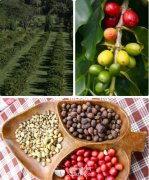
Coffee classification
Special classification system of coffee: 1. Subgenus Coffea: 2. Malagasy coffee subgenus: 3. Subgenus Pala Coffee: 4. Age coffee subgenus: a, red coffee group: B, thick-skinned coffee group: C, Mozambican coffee group: d, black fruit coffee group E, dwarf coffee group: red fruit coffee group: a) Arabica species: Tibica varieties: (Tp)

Hawaii Kona Introduction Hawaii Kona Coffee Light Medium Deep Roast Introduction What Roast Degree Is Best to Drink
Hawaii Kona Extra Fency Hawaii Kona coffee beans are grown on the western coast of the Big Island of Hawaii. They are bred in the fertile volcanic soil unique to the area. They are known for their exquisite quality and elegant flavor.
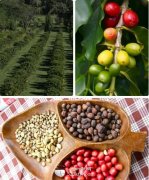
Coffee classification system
Special classification system of coffee: 1. Subgenus Coffea: 2. Malagasy coffee subgenus: 3. Subgenus Pala Coffee: 4. Age coffee subgenus: a, red coffee group: B, thick-skinned coffee group: C, Mozambican coffee group: d, black fruit coffee group E, dwarf coffee group: red fruit coffee group: a) Arabica species: Tibica varieties: (Tp)

Release of Coffee in Yunnan Coffee Bean Roaster structure Diagram
The western and southern parts of Yunnan Province are located between the 15th latitude and the Tropic of Cancer. Most areas are 1000-2000 meters above sea level. The topography is dominated by mountains and slopes. Here, the land is fertile, the sunshine is sufficient, the rainfall is abundant, and the temperature difference between day and night is large. The unique natural conditions form the special taste of Yunnan small-grain coffee, which is rich but not bitter, fragrant but not strong, slightly fruity. Pu'er in the south and west of Yunnan

The Coffee Kingdom of Laos-- the Borofen Plateau
The Boloven plateau, located in Chambasai province in southwestern Laos, is the coffee kingdom of Laos, where 95% of the country's coffee is produced.

World Map of Coffee beans-take you to know 53 coffee producing areas around the world
There are shadows of coffee beans in many parts of the world, and they can grow normally as long as the climate is right. These places suitable for the cultivation of coffee beans, usually located between the Tropic of Cancer and the Tropic of Cancer, are called coffee growth zones. R: Robusta coffee beans M: mixed coffee beans A: Arabica coffee beans one. Costa Rican coffee has full grains, ideal acidity and aroma.
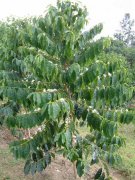
A real picture of the harvest process from coffee tree to coffee fruit
The coffee tree is more than 3 meters tall. Coffee flowers white flowers, beautiful like magnolia, but life is short, it will wither after 3 days! After the coffee beans are in full bloom, the coffee beans turn from green to red and when the fruit is bright red and ripe, you can begin to pick and harvest the fruit, remove the skin, soak it in water for 12 to 16 hours, and then wash it. Remove the peel of coffee beans
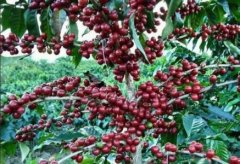
A brief introduction to the cultivation of high-quality boutique coffee beans in Santa Rita Manor, geographical location, climate and altitude
Growing coffee also requires daylight and proper shade, which is most suitable for planting on fertile soil or volcanic ash soil. Therefore, the origin of coffee is widely distributed in South America, Central America, the West Indies, Asia, Africa, Arabia, the South Pacific and Oceania. Such as Ethiopia and Tanzania in Africa, Brazil, Colombia, Jamaica, Guatemala and Mexico in Central and South America.
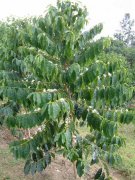
The process from Coffee Tree to Harvest the picking process of Coffee beans
The coffee tree is more than 3 meters tall. Coffee flowers white flowers, beautiful like magnolia, but life is short, it will wither after 3 days! After the coffee beans are in full bloom, the coffee beans turn from green to red and when the fruit is bright red and ripe, you can begin to pick and harvest the fruit, remove the skin, soak it in water for 12 to 16 hours, and then wash it. Remove the peel of coffee beans

The spread and Development of Coffee in China the Exchange of Coffee Culture in China
The spread and Development of Coffee Culture in China after coffee became a popular drink in the south of the Arabian Peninsula, it was brought home by Islamists who made a pilgrimage to Mecca, and began to spread rapidly in Arab countries. and have landed in Turkey and Persia, widely popular. The widespread acceptance of coffee will inevitably lead to the birth of cafes.

Knowledge of Coffee Variety Classification
Special classification system of coffee: 1. Subgenus Coffea: 2. Malagasy coffee subgenus: 3. Subgenus Pala Coffee: 4. Age coffee subgenus: a, red coffee group: B, thick-skinned coffee group: C, Mozambican coffee group: d, black fruit coffee group E, dwarf coffee group: red fruit coffee group: a) Arabica species: Tibica varieties: (Tp)

Characteristics of Bolivian boutique coffee beans Santa Cruz Manor Java Coffee
Bolivian coffee when it comes to Bolivian boutique coffee, it is necessary to mention the Caranavi producing area of Yungas, as well as the soul Pedro Roderiguez. Pedro has been growing coffee in Bolivia for 30 years, and it can be said that it has witnessed the precarious prosperity of Bolivian coffee cultivation / export, while still guarding the original intention. To

[recommendation of introduction to Coffee Books] Top 10 best-selling coffee books in 2017
Professional coffee knowledge exchange more coffee bean information please follow the coffee workshop (Wechat official account cafe_style) 1 "Coffee: a complete explanation of 122 kinds of World Fine Coffee" Taguchi protects the Confederate Publishing Professionals, describing everything about coffee with photos and text. Know the roasting degree, bitterness, sour taste and aroma, and strictly select 122 kinds of fine coffee in the world to introduce to you. Ben

Introduction to the flavor and taste characteristics of the elegant and sour Antigua Coffee Manor in Guatemala
Guatemala is located in the tropics, the northern and eastern coastal plains have a tropical rain forest climate, the southern mountains have a subtropical climate, the year is divided into two dry and wet seasons, with the wet season from May to October and the dry season from November to April of the following year. The narrow and fertile flatlands on the Pacific side of Guatemala have a tropical climate. The central plateau is also the cultural center of Guatemala, where the year-round temperature ranges from 1300 to 1800 meters.